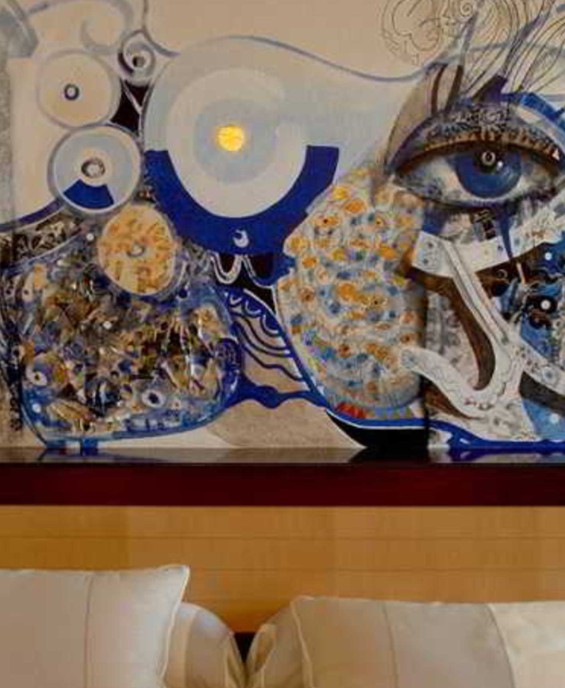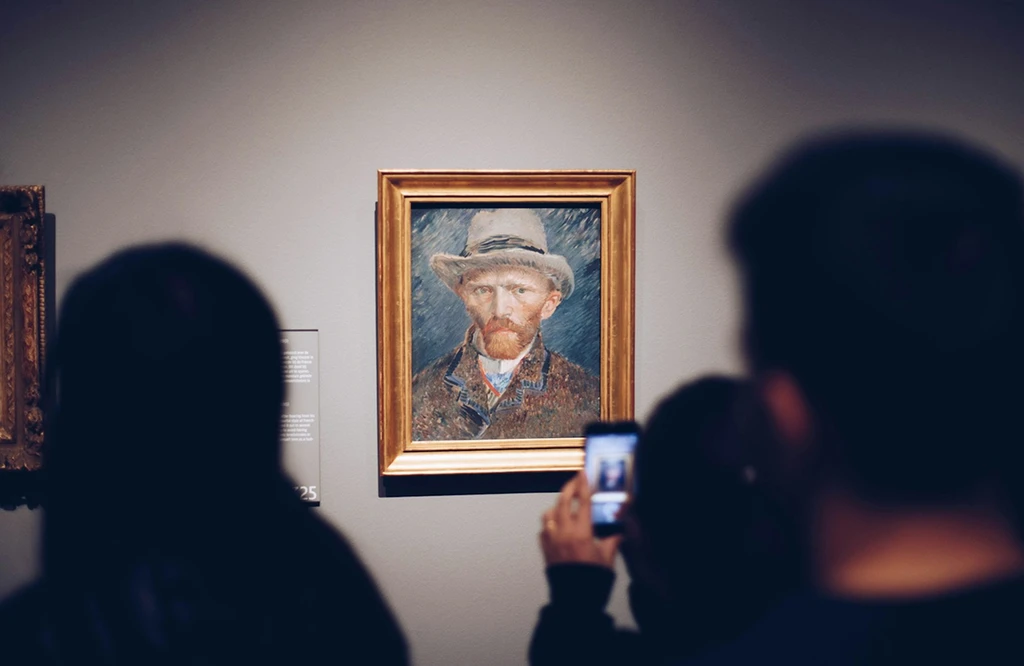
Art has always been a powerful way of telling stories. Long before written language became widespread, images, symbols, and visual narratives helped people share experiences, beliefs, and ideas. Today, art continues to serve as a universal language that connects cultures, emotions, and perspectives across time and space.
Every artwork carries a story. Sometimes that story is personal, reflecting the artist’s memories, emotions, or experiences. Other times it captures a broader narrative about society, culture, or history.
Artists use composition, color, form, and symbolism to communicate meaning. A single painting can evoke curiosity, challenge perceptions, or inspire reflection. Viewers may interpret the same work differently, which is part of what makes art so engaging: each person brings their own perspective to the story unfolding within the piece.
Behind every artwork lies a process shaped by technique and experimentation. Artists choose materials and methods that best express their vision—whether through painting, sculpture, photography, or mixed media.
Techniques influence not only how an artwork looks, but also how it feels. The texture of brushstrokes, the layering of pigments, or the careful balance of light and shadow can transform a simple idea into a compelling visual experience.
Learning about artistic techniques allows viewers to appreciate the skill and intention behind the work. It reveals the craftsmanship and dedication that bring artistic ideas to life.
Art is also a space where ideas take form. Artists often respond to themes such as identity, nature, memory, or transformation. Their work can explore philosophical questions, social issues, or the beauty of everyday life.
Through art, complex ideas become accessible in visual form. A sculpture may explore movement and balance, while an abstract painting might express emotion through color and rhythm. In each case, art invites viewers to engage intellectually and emotionally with the work.
One of the most fascinating aspects of art is the dialogue it creates between artist and viewer. While the artist introduces a concept or story, the viewer completes the experience through interpretation.
This interaction encourages curiosity and open-mindedness. It allows art to evolve beyond the artist’s original intention, becoming a shared exploration of meaning.
Discovering stories, techniques, and ideas through art is an ongoing journey. Each artwork offers an opportunity to learn something new—about the artist, the creative process, or even ourselves as viewers.
By engaging with art thoughtfully, we open the door to deeper appreciation and understanding. In this way, art becomes not only a form of expression but also a path to discovery, imagination, and connection.