Art has a unique ability to communicate emotions without relying on words. Through color, texture, and form, artists create visual experiences that resonate deeply with viewers. Each artwork becomes a dialogue between the artist’s inner world and the emotions perceived by those who encounter the piece.
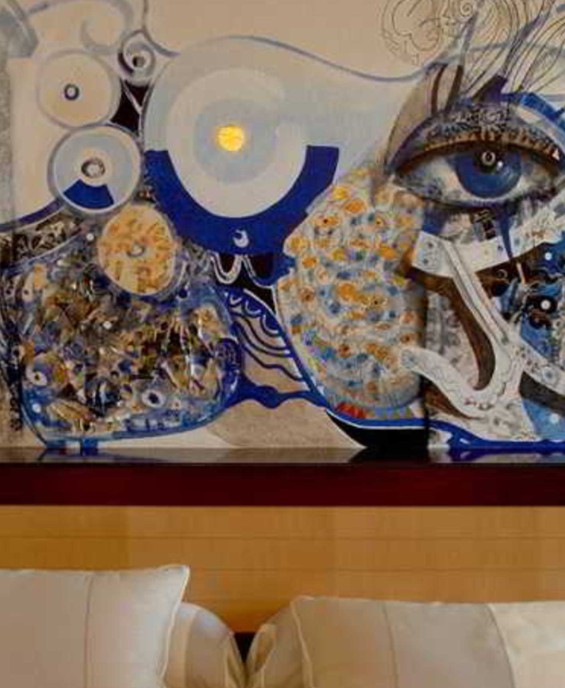
Color is one of the most powerful tools in artistic expression. Warm tones such as reds, oranges, and yellows often evoke energy, passion, or warmth, while cooler tones like blues and greens may suggest calmness, reflection, or mystery.
Artists use color intentionally to shape how a viewer experiences a work. A vibrant palette can create a sense of movement and vitality, while softer tones may invite contemplation and quiet reflection.
.webp)
Beyond color, texture and movement contribute to the emotional depth of an artwork. Thick brushstrokes, layered pigments, or delicate lines can transform a simple composition into a dynamic visual experience.
These elements reveal the physical process behind the creation of the piece. Each mark on the canvas reflects a moment of decision, experimentation, and creative intuition.
One of the most fascinating aspects of art is its ability to create emotional connections between people who may never meet. The artist expresses a feeling or idea through visual language, and the viewer interprets it through their own experiences.
This exchange transforms art into a shared emotional space. Each interpretation adds another layer of meaning to the work.
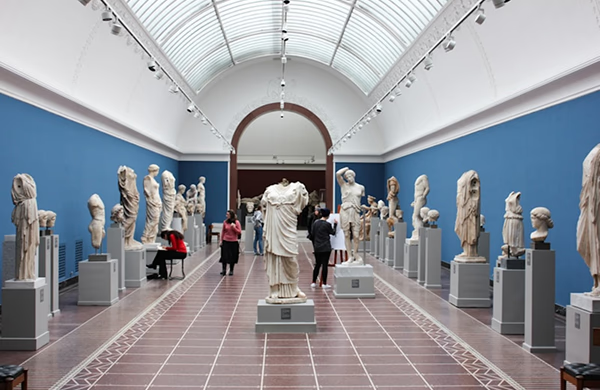
When viewers encounter a painting or sculpture, they enter into a conversation with the artwork. The composition, colors, and forms guide their attention and invite them to reflect on their own emotions.
This dialogue between color, emotion, and artistic expression is what makes art endlessly captivating. Every viewing becomes a new experience, shaped by the viewer’s perspective and imagination.