Since the beginning of civilization, the universe has been one of humanity’s greatest sources of inspiration. Before science explained the movements of planets and stars, artists transformed celestial phenomena into myths, symbols and spiritual visions.
An eclipse, a comet, the movement of the planets or the infinite night sky have always represented something beyond the visible: mystery, transformation, destiny and the search for meaning.
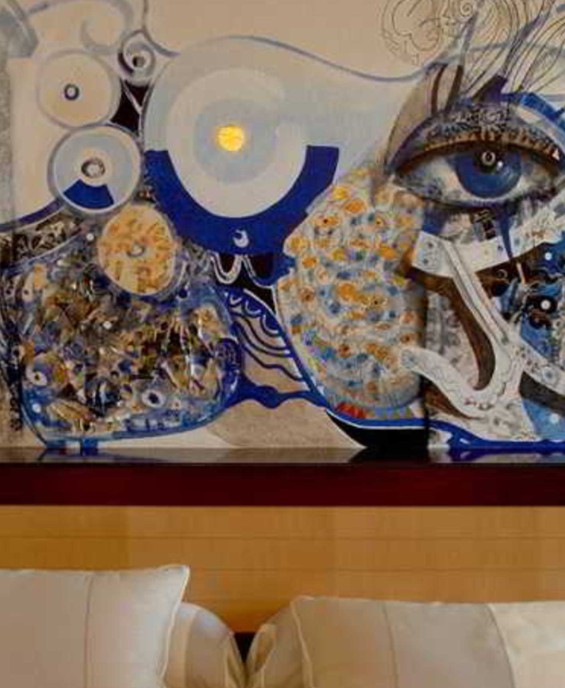
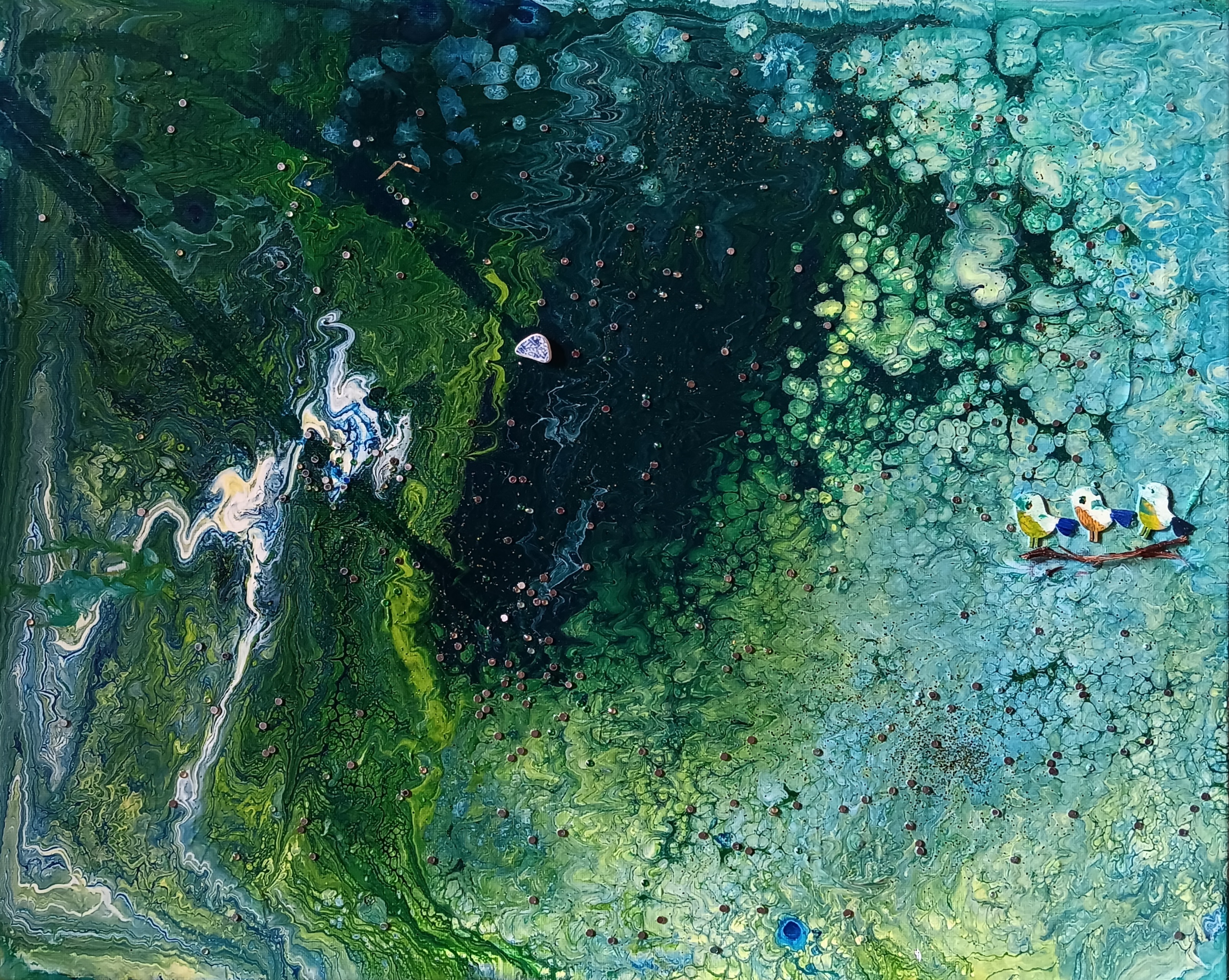
Beyond the Eclipse explores how artists across centuries have interpreted the cosmos — from ancient civilizations observing the heavens to contemporary creators who transform galaxies, light and cosmic energy into new visual languages.


For ancient cultures, the sky was not separated from human life. The movement of the sun, moon and planets determined calendars, agriculture and religious rituals.
Egyptian artists represented the sun god Ra travelling across the heavens. Greek mythology transformed planets and constellations into stories of gods and heroes. The Maya developed sophisticated astronomical knowledge and incorporated celestial cycles into their architecture and art.
The universe was understood as a living system, where humanity existed in harmony with cosmic forces.
Detail of a kneeling statue of Senenmut.
Art was a bridge between Earth and the heavens.
During the Renaissance, the vision of the universe changed dramatically.
Artists began combining philosophy, mathematics and observation. The human figure was placed at the centre of the known world, but curiosity about the heavens expanded.
The discoveries of Galileo Galilei and later astronomers transformed humanity’s understanding of space. The telescope revealed that the universe was much larger than previously imagined.

Artists responded by exploring ideas of infinity, perspective, light and the relationship between humans and the cosmos.
The sky was no longer only a spiritual realm; it became a place of discovery.
The astronomer by Johannes Vermeer, 1668.
In the 19th century, artists moved away from purely religious or scientific interpretations and began exploring the emotional experience of nature.
The night sky became a symbol of infinity, solitude and human vulnerability.
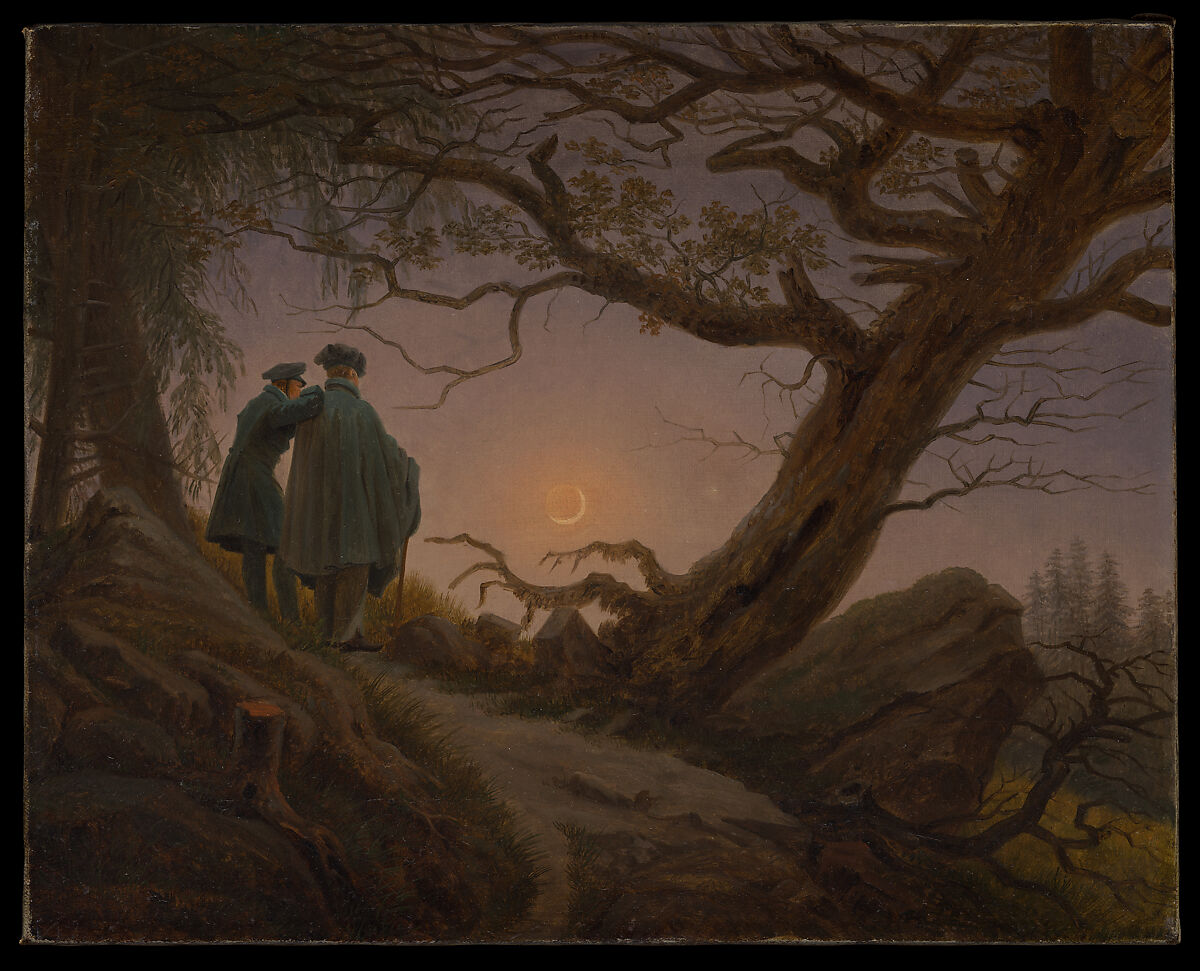
Artists such as Caspar David Friedrich portrayed humans standing before vast landscapes, reminding viewers of the immense scale of nature.
The cosmos became a mirror for human emotions: wonder, loneliness, hope and transcendence.
The 20th century brought a radical transformation.
Artists no longer needed to represent the universe realistically. Instead, they explored cosmic ideas through abstraction, colour, movement and emotion.
The discovery of galaxies beyond the Milky Way, space exploration and the first images of Earth from space changed humanity’s perception of existence.
Abstract artists began creating their own universes:
• fields of colour suggesting cosmic energy;
• geometric structures inspired by planetary movement;
• organic forms resembling cells, nebulae and galaxies.
The cosmos became not only something outside us, but something within us.

The 20th century space race created a new cultural relationship with the universe.
The first images of Earth from space changed the way humanity saw itself: one fragile planet floating in an immense cosmos.
Space exploration inspired generations of artists, designers and filmmakers. Science fiction became a new artistic language, imagining future worlds, distant civilizations and unknown dimensions.
The universe became a space of possibility.